The Truth About Daylight Saving: Sleep Loss and Longer Evenings
Every year, as spring dawns across much of Europe, a familiar ritual sparks confusion and debate: Daylight Saving Time (DST) begins. The question inevitably arises: do the clocks go
vor (forward) or
zurück (back)? For millions, particularly in countries like Germany, Austria, and Switzerland where the German term "Sommerzeit" (summertime) is used, this annual adjustment brings with it a mix of anticipation for seemingly longer evenings and apprehension about the sleep it temporarily "steals." Understanding the mechanics of "Sommerzeit vor zurück" is key to navigating this biannual time shift and its effects on our daily lives and well-being.
The core of Daylight Saving Time is a simple premise: shifting daylight hours to align better with human waking schedules, theoretically saving energy and promoting outdoor activities. However, the reality is far more complex, impacting everything from our sleep patterns to our perceived experience of daylight. While many revel in the apparent extension of evening light, the transition often comes at a cost, primarily to our precious sleep. This article delves into the precise mechanics of the clock change, dissects the impact on our sleep cycles, and uncovers the fascinating truth behind those coveted longer evenings.
Deciphering the Clock Change: Sommerzeit Vor Zurück Explained
The phrase "Sommerzeit vor zurück" encapsulates the fundamental question surrounding Daylight Saving Time in German-speaking regions. It directly translates to "summertime forward back," referring to the two distinct movements of our clocks each year. Remembering which way to turn the hands can be tricky, but a few simple mnemonics can help clarify the annual confusion.
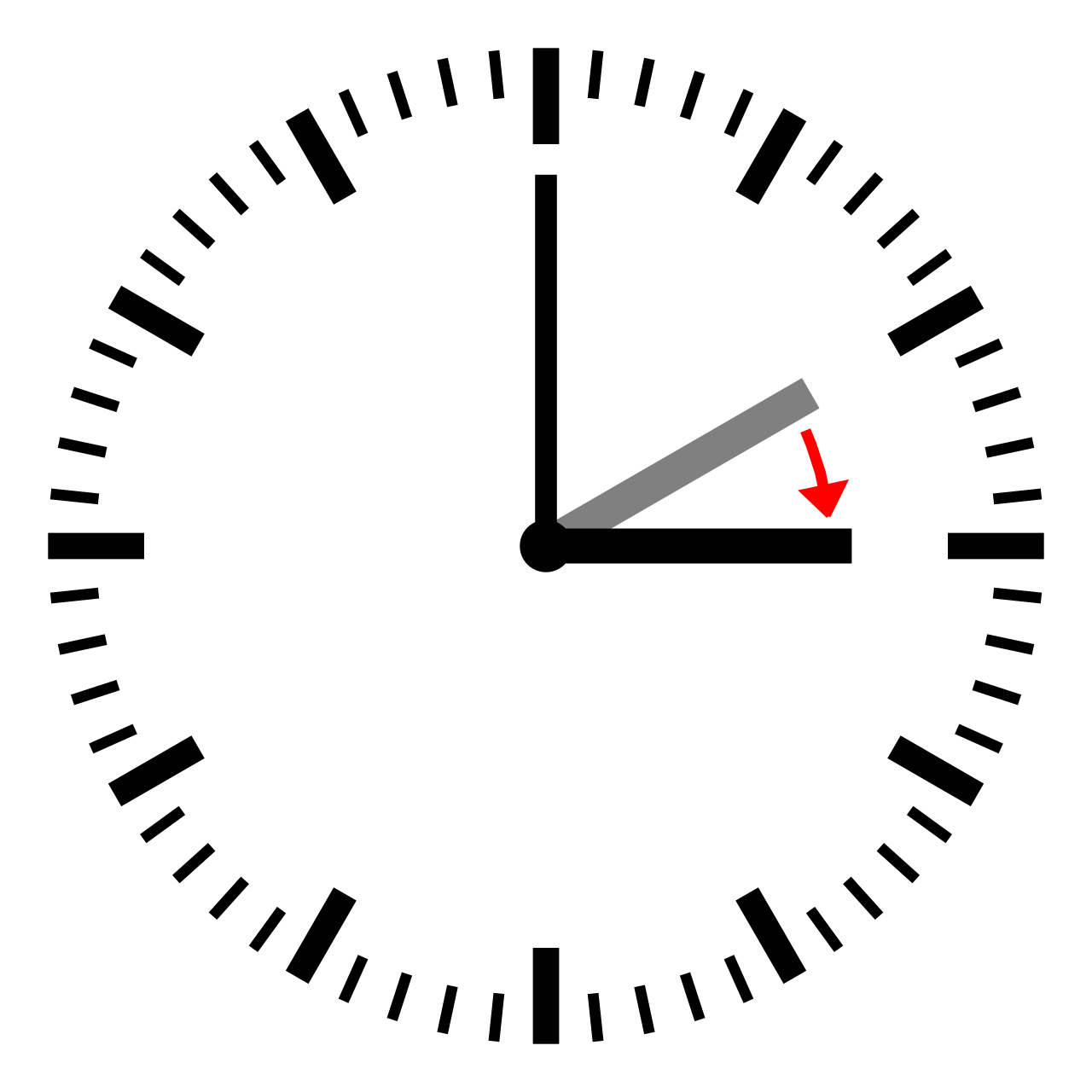
When Daylight Saving Time begins in the spring, typically on the last Sunday in March, the clocks are moved
vor – or forward – by one hour. This means that at 2:00 AM Central European Time (CET), the clocks suddenly jump to 3:00 AM Central European Summer Time (CEST). The immediate consequence? A 23-hour day. We effectively "lose" an hour from our daily schedule, a phenomenon that has significant implications for our internal body clocks and sleep cycles. For instance, in Germany, Austria, and Switzerland, this transition occurs at 01:00 UTC, which translates to 02:00 CET becoming 03:00 CEST.
A popular German mnemonic to remember this is: "Im Sommer stellt man seine Gartenmöbel
vor das Haus, im Winter wieder
zurück." (In summer, you put your garden furniture out *in front of* the house; in winter, you put it back *away*). This vivid image helps many recall the correct direction. You can find more helpful tricks at
Daylight Saving Time: Clocks Forward or Back? Simple Mnemonic.
Conversely, when Daylight Saving Time ends in the autumn, usually on the last Sunday in October, the clocks are moved
zurück – or back – by one hour. This time, at 3:00 AM CEST, the clocks revert to 2:00 AM CET. The day then stretches to 25 hours, as we "gain" an extra hour. While this often feels like a bonus, offering an opportunity for more sleep or an extended weekend morning, it still represents a disruption to our established routines. In most European countries, including the German-speaking nations, this shift happens at 01:00 UTC, meaning 03:00 CEST becomes 02:00 CET. For a detailed overview of these shifts across the continent, refer to
Europe's Daylight Saving: Forward in March, Back in October.
It’s worth noting that this biannual ritual is not universal. A majority of countries worldwide do not observe Daylight Saving Time. Even among those that do, the specific dates and timings can vary, particularly in the Southern Hemisphere, where spring begins in September and DST would follow suit in October, not March.
The Cost of "Longer Evenings": Your Sleep Pays the Price
While the prospect of brighter evenings often generates enthusiasm, the spring transition to Daylight Saving Time comes with a well-documented cost: a reduction in sleep. When the clocks jump forward by an hour, that hour is effectively "skipped," meaning that if you go to bed at your usual time, you've lost 60 minutes of sleep. This seemingly minor adjustment can have a disproportionate impact on our bodies and minds, particularly for those whose internal clocks, or circadian rhythms, are sensitive to change.
Medical professionals frequently warn about the health consequences of this temporal disruption. Our circadian rhythm is a delicate, 24-hour cycle that regulates various physiological processes, including sleep-wake cycles, hormone release, and body temperature. Abruptly shifting this rhythm by an hour can lead to:
*
Sleep Deprivation and Fatigue: The immediate loss of an hour of sleep can result in acute sleep deprivation, leading to increased daytime sleepiness, reduced alertness, and decreased cognitive function.
*
Disrupted Circadian Rhythm: The body struggles to adjust, leading to symptoms akin to mild jet lag. This can manifest as difficulty falling asleep at the "new" bedtime or waking up feeling unrefreshed.
*
Increased Health Risks: Studies have linked the spring DST transition to a temporary increase in heart attacks, strokes, and even traffic accidents, possibly due to sleep loss and increased stress on the body.
*
Mood Disturbances: Some individuals report feeling more irritable, anxious, or experiencing a dip in mood in the days following the time change.
*
Reduced Productivity: Concentration and decision-making abilities can be impaired, affecting work performance and daily tasks.
While most people adjust within a few days, for others, particularly those with pre-existing sleep disorders or sensitive biological clocks, the effects can linger for a week or more. The only silver lining, as the reference context humorously points out, is for night shift workers whose shift on the day of the spring forward literally becomes an hour shorter! However, this minor benefit pales in comparison to the widespread sleep disruption experienced by the general population.
The Illusion of Extended Daylight: Why Evenings Feel Longer
One of the primary justifications, and indeed attractions, of Daylight Saving Time is the promise of "longer evenings." Who doesn't appreciate an extra hour of daylight after work or school, allowing for more outdoor activities, socializing, or simply enjoying the twilight? For example, the reference mentions that in Berlin, the sun might set at 6:30 PM the day before DST begins, but after the change, it appears to set at 7:30 PM. This feeling of an extended evening is powerful and contributes significantly to the popularity of Sommerzeit.
However, as the reference context aptly describes, this "long evening" is, in essence, an illusion – or at best, only half the truth. Daylight Saving Time does not actually create more daylight. The total amount of daylight hours on any given day is determined by the Earth's axial tilt and its orbit around the sun, which dictates the natural lengthening of days in spring and summer, and their shortening in autumn and winter. This process is gradual and independent of any clock adjustment.
What Daylight Saving Time *does* do is shift the clock. By moving the clock forward by an hour, we are effectively synchronizing our daily schedules with an earlier part of the natural day. This means that:
*
Sunrises are later (by the clock): If the sun rose at 6:00 AM before the change, it now "rises" at 7:00 AM according to the clock, making mornings darker.
*
Sunsets are later (by the clock): Similarly, if the sun set at 6:00 PM before the change, it now "sets" at 7:00 PM by the clock, giving the appearance of a longer evening.
So, while the sun is indeed still in the sky an hour later than it *would have been* under standard time, the total duration of daylight has not increased. The day itself is not longer; our clocks have simply been moved forward to make the latter part of the day feel longer and brighter. This psychological effect is potent: it allows people to enjoy daylight into the evening after work or school, promoting leisure activities, outdoor dining, and a general feeling of summer vibrancy. While the science dictates that the actual amount of daylight doesn't change, the shift in our clocks allows us to utilize the available daylight more effectively during waking hours, especially during the crucial evening period.
Navigating the Shift: Tips for a Smoother Transition
Adjusting to Daylight Saving Time doesn't have to be a universally miserable experience. While the annual "Sommerzeit vor zurück" can be disruptive, there are practical steps you can take to minimize its impact on your sleep and overall well-being.
Here are some actionable tips to help you navigate the clock change more smoothly:
1.
Gradual Adjustment: Instead of making an abrupt change, try shifting your bedtime and wake-up time by 15-20 minutes earlier (in spring) or later (in autumn) for a few days before the official change. This allows your body to adjust incrementally.
2.
Prioritize Sleep Hygiene: Ensure your bedroom is conducive to sleep. Keep it dark, quiet, and cool. Avoid screens (phones, tablets, computers) for at least an hour before bed, as the blue light emitted can interfere with melatonin production.
3.
Manage Light Exposure:
*
In Spring (Clocks Forward): Try to get as much natural light as possible in the morning in the days leading up to and immediately after the change. This helps reset your circadian rhythm. Conversely, minimize bright light exposure in the evening.
*
In Autumn (Clocks Back): Maximize light exposure in the evenings to help your body adapt to the earlier sunset.
4.
Maintain Your Routine: Stick to your meal times, exercise schedule, and other daily routines as consistently as possible. Regularity helps anchor your internal clock.
5.
Stay Hydrated and Eat Well: Avoid heavy meals close to bedtime, and limit caffeine and alcohol, especially in the afternoon and evening, as they can disrupt sleep.
6.
Listen to Your Body: If you feel tired, allow yourself to take a short nap (20-30 minutes) if possible, but avoid long naps that might interfere with nighttime sleep. Be patient with yourself as your body adapts.
7.
Revisit Mnemonics: Use tried-and-true tricks like the garden furniture example to remember whether the clocks go forward or back, reducing pre-change anxiety.
It's also worth remembering that the debate around the necessity and future of Daylight Saving Time is ongoing, particularly in Europe. While the European Union has previously voted to abolish the biannual clock changes, the implementation has been repeatedly delayed, meaning for the foreseeable future, we'll continue to experience "Sommerzeit vor zurück." By understanding its mechanisms and preparing for its effects, you can minimize the disruption and better enjoy the perceived benefits of those longer evenings.
Conclusion
The annual shift to Daylight Saving Time, or Sommerzeit, is a tradition that evokes strong feelings, from the joy of perceived longer evenings to the grogginess of lost sleep. The core question of "sommerzeit vor zurück" is answered with a clear directive: forward in spring, back in autumn. While the shift forward in March does "steal" an hour of sleep, causing temporary disruption to our circadian rhythms and potentially impacting health and well-being, it simultaneously ushers in the psychological benefit of brighter evenings.
This extension of evening daylight, though an illusion in terms of total daylight hours, significantly influences our leisure activities and mood. By understanding the mechanics of these clock changes and implementing practical strategies for adjustment, we can mitigate the negative impacts and embrace the unique rhythms of each season. As the debate over the future of Daylight Saving Time continues, being informed and prepared remains the best approach to navigating this biannual temporal dance.