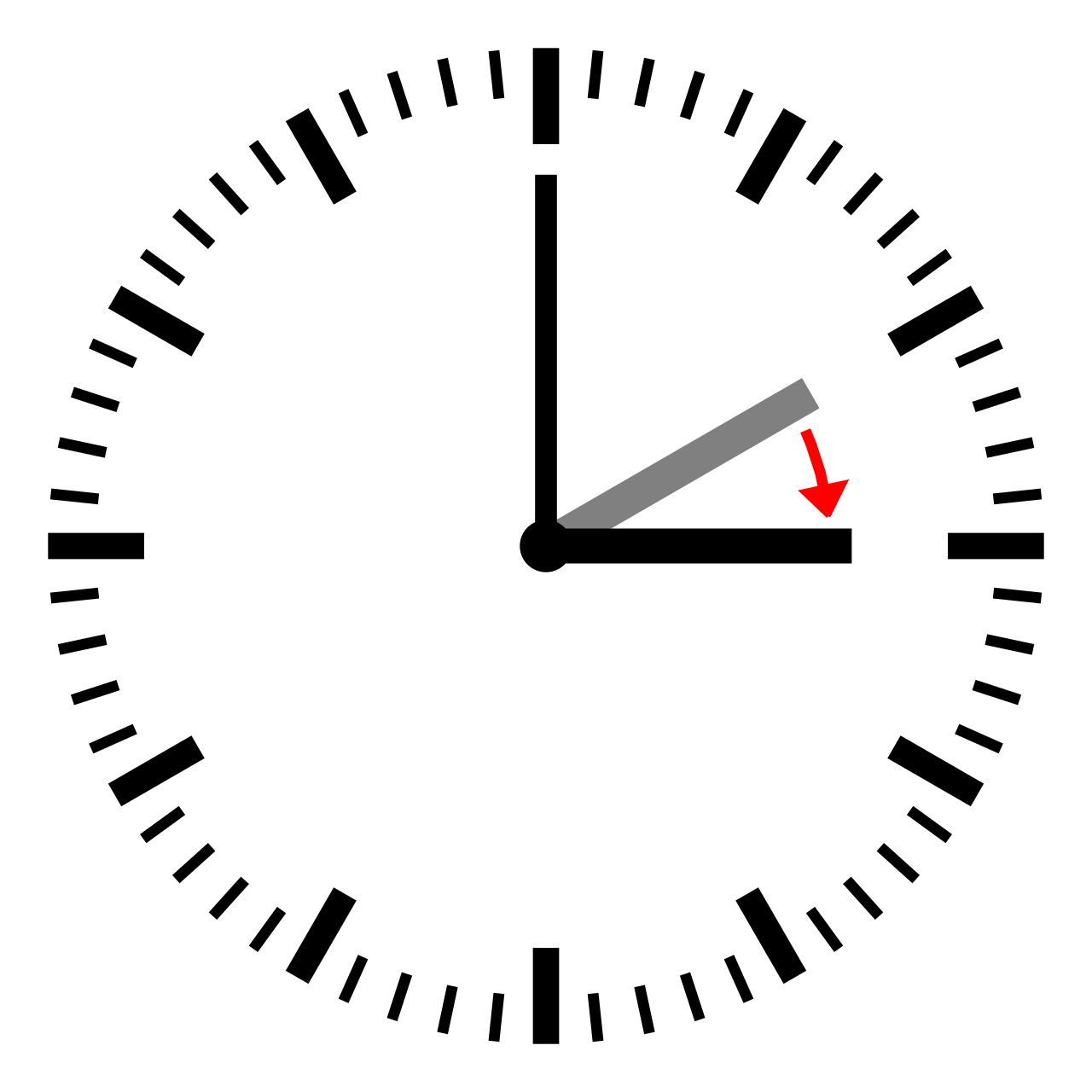
As seasons turn, so do our clocks in many parts of the world, marking the bi-annual ritual of Daylight Saving Time (DST). This practice, intended to better utilize natural daylight, often leaves us pondering: when DST arrives, do clocks move forward or back? For German speakers, this common query is often phrased as “Sommerzeit vor zurück?” – "Daylight Saving Time forward back?" This article aims to demystify the clock change, provide easy mnemonics, and explore its broader implications.
The Annual Clock Shifts: Forward in Spring, Back in Fall
Daylight Saving Time involves two distinct annual shifts. One brings longer evenings but a shorter day; the other restores our 'lost' hour. Understanding the direction of the clock change is crucial for everything from punctuality to personal well-being.
Spring Forward: Losing an Hour
In spring, typically March for most of Europe and North America, clocks advance by one hour – known as "spring forward." For instance, in many European countries (Germany, Austria, Switzerland), on the last Sunday in March, clocks jump from 02:00 Central European Time (CET) to 03:00 Central European Summer Time (CEST). This "skips" an hour, making the day 23 hours long. It often disrupts sleep patterns, humorously called a "mini-jet lag," meaning we lose an hour of sleep that night. A small benefit: night-shift workers find their shift one hour shorter!
Fall Back: Gaining an Hour
Conversely, as autumn descends (usually October), clocks move in the opposite direction – "fall back." On the last Sunday in October across most of Europe, clocks are set back from 03:00 CEST to 02:00 CET. The hour between 02:00 and 03:00 is repeated, effectively gaining us an hour and making that day 25 hours long. This is often a relief after the spring change, theoretically allowing extra rest. This return to Standard Time, sometimes called "winter time," marks the end of the Daylight Saving period.
Mastering the Mnemonic: Never Forget 'Sommerzeit Vor Zurück'
To combat annual confusion, several clever mnemonics exist. For those pondering the "Sommerzeit vor zurück" dilemma, here's a universally loved trick:
The Garden Furniture Trick
One of the most popular and effective mnemonics, particularly in German-speaking regions, involves garden furniture:
- In Spring (Sommerzeit begins), you bring your garden furniture forward (vor) out of storage. So, clocks go forward.
- In Autumn (Winterzeit returns), you put your garden furniture back (zurück) into storage. So, clocks go back.
Simple Reminders for English Speakers
If garden furniture isn't your preference, here are other popular English mnemonics:
- "Spring forward, fall back." This classic phrase is concise and directly tells you the direction for each season.
- Think of a clock: when you "spring," you jump ahead. When you "fall," you go backward.
Beyond the Clock Change: Impacts and Debates
While DST's mechanics are straightforward, its broader effects are complex and widely debated. From sleep patterns to perceived daylight, it touches many aspects of daily life. For more insights, consider reading The Truth About Daylight Saving: Sleep Loss and Longer Evenings.
The Illusion of Longer Evenings
A primary argument for DST is "longer evenings" for outdoor activities, with sunset occurring an hour later. However, this is only part of the truth. Actual daylight length changes naturally with seasons. DST simply shifts the clock, making sunrise later and sunset later by an hour compared to Standard Time. Evenings feel longer, but mornings also become darker for an additional hour.
Health Implications and the 'Mini-Jet Lag'
Medical professionals warn about DST's potential health consequences. The abrupt shift, especially "spring forward," disrupts our circadian rhythm, leading to temporary sleep deprivation, fatigue, and reduced productivity. Some studies suggest a slight uptick in traffic accidents and cardiovascular issues following the spring change. While most adjust quickly, cumulative effects fuel calls for abolition.
Practical Tip: To ease the transition, especially for "spring forward," adjust your bedtime by 15-20 minutes earlier for a few nights prior. Maintain routines and expose yourself to natural morning light.
The Economic and Social Debate
Initially, DST aimed for energy conservation. Modern studies are mixed; some suggest lighting savings are offset by increased heating or air conditioning. While businesses often favor DST for perceived boosts in evening consumer activity, industries tied to natural light, like agriculture, can find it disruptive.
A Global Perspective: The Future of DST
Daylight Saving Time is not universal; most countries worldwide do not observe seasonal clock changes. Those that do are primarily in Europe, North America, and parts of Oceania and South America.
Europe's Stance and Future
Europe has led the debate concerning DST's future. Public consultations showed strong support for abolition, and while the EU has moved towards ending the practice, member states haven't agreed on a permanent time. Thus, for the foreseeable future, European countries, including Germany, will continue the "Sommerzeit vor zurück" ritual. For specific European timings, see Europe's Daylight Saving: Forward in March, Back in October.
The Southern Hemisphere's Calendar
For Southern Hemisphere countries observing DST, the timing reverses. While Europe moves clocks forward in March and back in October, countries like Australia typically begin DST in September/October (their spring) and end it in March/April (their autumn), aligning with their periods of increasing/decreasing daylight.
Conclusion
The annual clock change, whether you call it Daylight Saving Time or ponder "Sommerzeit vor zurück," continues to spark debate and mild confusion. While intended to maximize daylight, its benefits are often weighed against disruptions to sleep and routines. Remembering simple mnemonics like "spring forward, fall back" or the garden furniture trick can help. Until a definitive global consensus emerges, we'll continue to adjust our watches and internal rhythms to the rhythm of Daylight Saving Time.