The Rhythmic Shift: Europe's Clocks Forward in March, Back in October
Each year, as the seasons turn, most of Europe engages in a twice-yearly ritual: adjusting the clocks for Daylight Saving Time (DST). This practice, known as
Sommerzeit (Summer Time) in German-speaking countries, brings with it a familiar question: do the clocks go forward or back? Or, as many succinctly wonder, "
Sommerzeit vor zurück?" This annual time change, designed to make better use of daylight, dramatically impacts our daily routines, sleep patterns, and even how we perceive the length of the day.
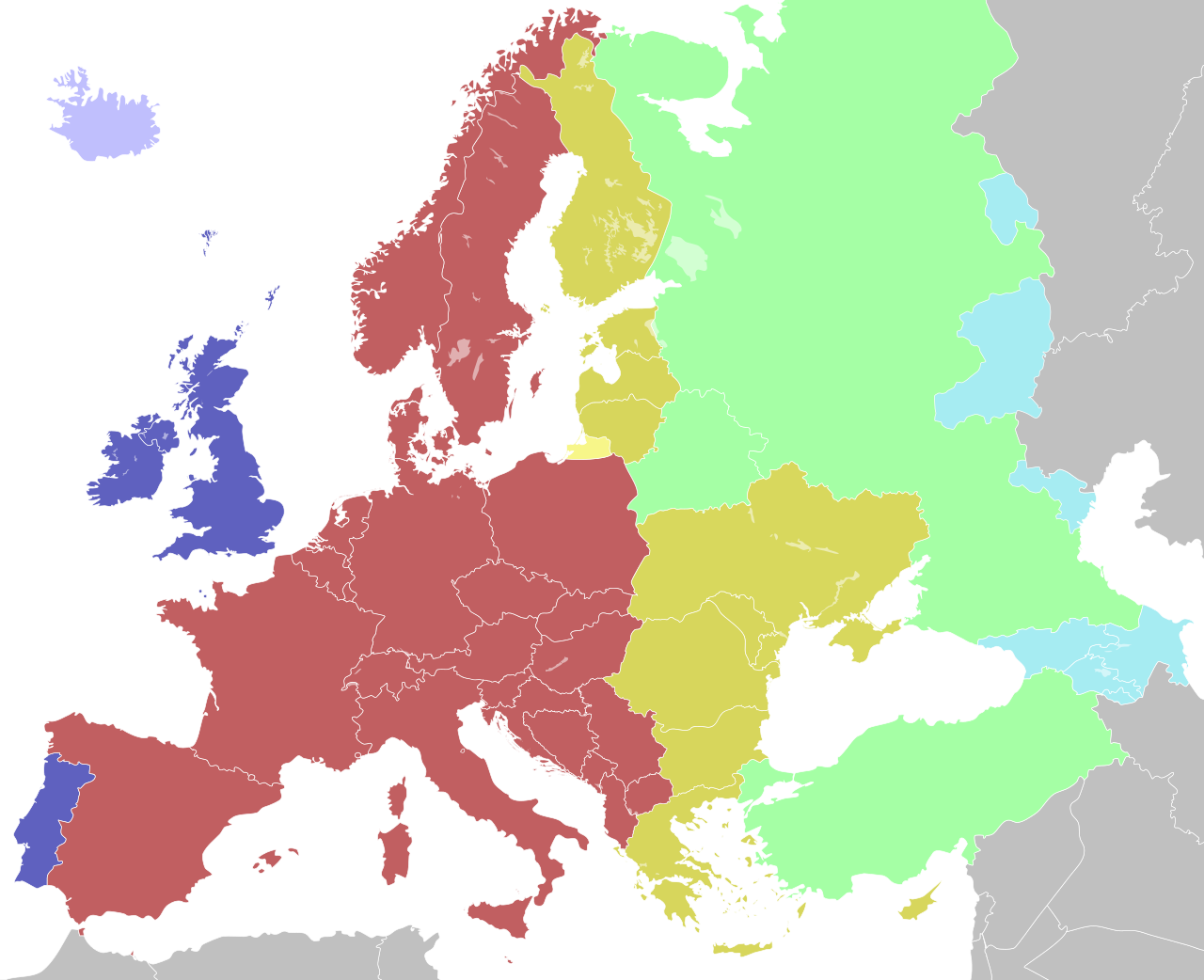
The transition to Sommerzeit marks the beginning of spring. On the last Sunday in March, typically at 01:00 Coordinated Universal Time (UTC), clocks are advanced by one hour. For countries in Central European Time (CET), this means the clock jumps from 02:00 AM directly to 03:00 AM Central European Summer Time (CEST). This seemingly simple shift has a notable consequence: we effectively "lose" an hour, making that particular day only 23 hours long. While it might feel like a minor adjustment, this sudden leap can disrupt our internal body clocks, leading to a temporary period of disorientation.
Conversely, the end of Sommerzeit and the return to Standard Time (often colloquially referred to as
Winterzeit, or Winter Time) occurs on the last Sunday in October. At 01:00 UTC, clocks are moved *back* by one hour. For Central European countries, this means the clock reverts from 03:00 AM CEST to 02:00 AM CET. This autumn adjustment means we "gain" an hour, resulting in a day that stretches to a full 25 hours. For many, this offers a welcome extra hour of sleep, though the shift can still take some getting used to. This forward-and-back motion is a consistent feature across Germany, Austria, Switzerland, and most other European Union member states.
Mastering the Mnemonic: Remembering "Sommerzeit Vor Zurück"
The perennial confusion surrounding whether clocks move forward or back is a common experience. Fortunately, several simple mnemonics exist to help people remember the "
Sommerzeit vor zurück" rule. One popular and very effective German saying goes: "
Im Sommer stellt man seine Gartenmöbel vor das Haus, im Winter wieder zurück." This translates to: "In summer, you put your garden furniture *forward* in front of the house; in winter, you put it *back*." This visual and practical memory aid perfectly encapsulates the direction of the time change.
For English speakers, the phrase "Spring Forward, Fall Back" is equally pervasive and useful. "Spring" refers to the spring season when Daylight Saving Time begins, and clocks move "forward" an hour. "Fall" (or autumn) denotes the season when DST ends, and clocks move "back" an hour. Another way to think about it is tied to the concept of longer days: when we anticipate longer evenings in spring, we push the clock *forward* to align with that desire. As shorter, darker days approach in autumn, we pull the clock *back*.
Understanding these simple memory tricks can save you from that moment of panic when you’re checking your watch or phone on the designated Sunday morning. It’s not just about setting your alarm correctly; it’s about aligning your daily schedule with the official time. For even more clever tricks to remember this annual shift, explore our guide on
Daylight Saving Time: Clocks Forward or Back? Simple Mnemonic.
Beyond the Hour: The Impact on Sleep, Perception, and Daily Life
While the concept of Daylight Saving Time might seem straightforward, its impact on individuals and society is far-reaching. The spring forward, in particular, has been a subject of considerable debate due to its immediate effect on sleep. Losing an hour can disrupt our circadian rhythm, our body's natural 24-hour cycle. Medical professionals often warn about the health consequences, which can include:
* **Sleep Deprivation:** For those who don't adjust their sleep schedule gradually, the immediate loss of an hour can lead to acute sleep debt.
* **Fatigue and Reduced Concentration:** The disruption can cause tiredness, making it harder to focus at work or school, and potentially increasing the risk of accidents.
* **Mood Changes:** Some individuals report feeling more irritable or experiencing a dip in mood during the adjustment period.
* **Cardiovascular Health:** Studies have even suggested a temporary increase in heart attacks and strokes in the days following the spring forward, though these effects are typically minor and primarily affect vulnerable populations.
On the brighter side, night shift workers experience a shorter shift in spring (23 hours) and a longer shift in autumn (25 hours), which can have immediate implications for their pay and scheduling.
Many people eagerly anticipate Sommerzeit because of the promise of "longer evenings." While it's true that the sun sets later by the clock, this perception is often described as an illusion. The actual amount of daylight – the period between sunrise and sunset – does not change with DST. Days naturally lengthen as spring progresses towards summer and shorten as autumn moves towards winter. What Daylight Saving Time does is shift the clock by an hour, effectively moving an hour of daylight from the morning to the evening. For instance, if the sun set at 6:30 PM before the spring change, it will set around 7:30 PM after the change, purely due to the clock adjustment, not an extension of actual daylight. The day itself still only lasts, for example, 14 hours. This means that while evenings *feel* longer for social and leisure activities, mornings become darker. To fully understand this phenomenon and its broader effects, delve into our detailed analysis:
The Truth About Daylight Saving: Sleep Loss and Longer Evenings.
**Practical Tips for Adjusting:**
* **Gradual Approach:** A few days before the spring change, try going to bed 15-20 minutes earlier each night.
* **Maintain Routine:** Stick to your regular meal times and exercise schedule to help anchor your internal clock.
* **Light Exposure:** Seek bright natural light in the mornings and dim lights in the evenings to signal to your body when to be awake and when to wind down.
* **Sleep Hygiene:** Ensure your bedroom is dark, quiet, and cool. Avoid caffeine and heavy meals close to bedtime.
The Ongoing Debate and the Future of DST in Europe
Despite its long-standing tradition, Daylight Saving Time remains a highly contentious topic across Europe and globally. The initial rationale for DST, primarily energy conservation during wartime, has been largely debunked by modern studies, with some even suggesting a net increase in energy consumption. Other arguments in favor include promoting outdoor activities and boosting retail and tourism, benefiting from extended daylight in the evenings.
However, the opposition points to the negative health impacts, the economic costs associated with disrupted schedules and increased accidents, and the general inconvenience of the biannual change. Recognising these concerns, the European Parliament voted in 2019 to abolish seasonal time changes, giving member states until 2021 to decide whether to permanently adopt "Summer Time" or "Standard Time" (Normalzeit).
Yet, despite this decision, the "
Sommerzeit vor zurück" dance continues. The reason for the delay is a lack of consensus among member states. If some countries chose permanent summer time while others opted for permanent standard time, it would create a patchwork of time zones across Europe, potentially complicating cross-border trade, travel, and communication. This complexity has led to a stalemate, meaning that for the foreseeable future, European citizens will continue to adjust their clocks forward in March and back in October. Many countries outside of Europe, particularly near the equator, do not observe DST at all, highlighting its non-universal application.
Conclusion
The annual adjustment of clocks for Daylight Saving Time, or Sommerzeit, is a deeply ingrained practice across much of Europe. Whether you use the German "garden furniture" mnemonic or the English "Spring Forward, Fall Back," understanding the "
sommerzeit vor zurück" rule is essential for navigating these biannual shifts. While the change brings the perceived benefit of longer evenings, it also entails a temporary disruption to our sleep and daily rhythms, particularly in spring. Despite ongoing debates and an initial move by the EU to abolish the practice, the rhythmic forward movement in March and backward shift in October remain a fixture of the European calendar. Knowing how to adapt to these changes and understanding their implications can help make the transition smoother, allowing you to embrace the changing seasons with minimal disruption.